
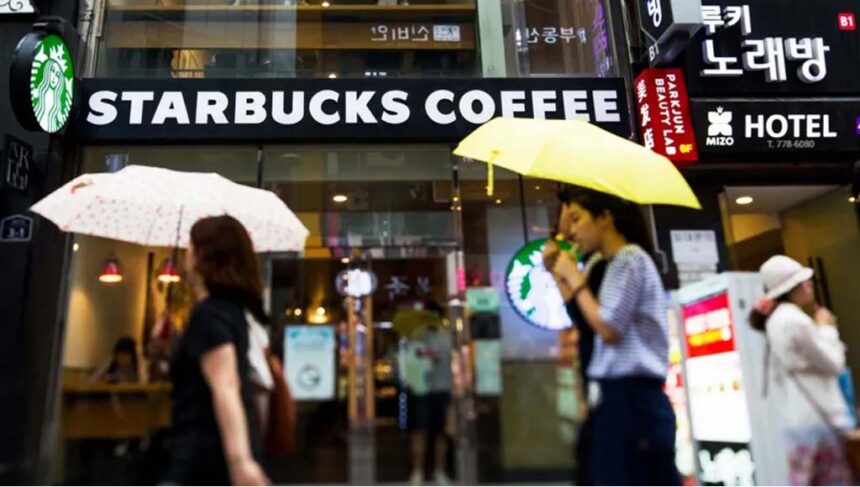
The chief executive of Starbucks Korea has been removed from his position following public outrage over a promotional campaign that many people believed referenced one of South Korea’s most painful historical incidents.
The controversy erupted after Starbucks Korea launched a campaign on Monday promoting its “Tank Series” coffee tumblers under the title “Tank Day”. The campaign coincided with the anniversary of the Gwangju Uprising, during which military forces violently suppressed pro-democracy protesters in May 1980.
Many South Koreans criticised the use of the word “Tank”, arguing that it appeared insensitive because military vehicles and tanks were used during the bloody crackdown in Gwangju. The issue quickly triggered strong reactions online, including calls to boycott Starbucks Korea.
South Korean President Lee Jae Myung also reportedly criticised the campaign, increasing pressure on the company.
Following the backlash, Starbucks Korea withdrew the promotion only hours after its launch. The company later issued a public apology, stating that the campaign had caused concern and inconvenience to customers.
Shinsegae Group, which holds the majority stake in Starbucks Korea, described the campaign as “inappropriate marketing” and announced the dismissal of Starbucks Korea chief executive Sohn Jeong-hyun.
According to local reports, Starbucks Korea initially explained that the Tank Series was simply one among several tumbler collections being introduced during a promotional campaign running from 15 to 26 May. However, public criticism continued to intensify due to the timing and wording of the promotion.
The company stated that it would review and improve its internal processes to ensure similar incidents do not happen again in the future.
Meanwhile, the global headquarters of Starbucks in the United States also apologised over the issue, acknowledging that although the incident was unintentional, it should never have occurred.
DPCI News Desk reports that the incident highlights the importance of cultural and historical sensitivity in corporate advertising, especially in countries where historical events continue to hold deep emotional significance for the public.