
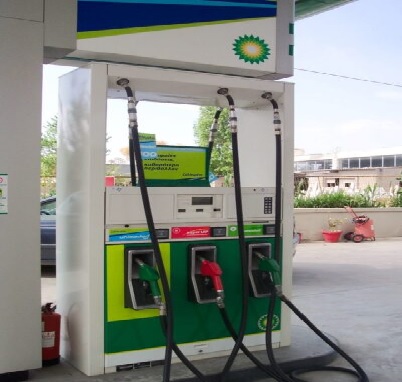
India’s decision to increase the share of bio-fuels blended with petrol is facing ire from motorists who question its viability in a market where a majority of vehicles are not yet designed for it.
The world’s largest two-wheeler market and third-largest car market, is trying to reduce its dependence on imported oil and cut carbon emissions. It began blending ethanol – made from crops such as sugarcane and maize – into petrol in the mid-2000s and has steadily increased the proportion ever since.
Complaints intensified in April this year when India made E20 – petrol blended with 20% ethanol – the standard fuel at every pump, replacing the 10% blend that most vehicles are designed to use.
Although blended petrol is still available, it is often 40-50% more expensive than E20, depending on the state, and many motorists are unaware they can ask for it.
Over the past few months, consumers have flooded social media with complaints of engine wear, lower fuel efficiency and reduced performance.
Last week, several motorists joined a protest in Delhi, organized by an entrepreneur who often backs the opposition Congress party in TV debates, accusing the government of unilaterally imposing E20 and leaving them with higher servicing costs and little choice at fuel stations.
Prime Minister Narendra Modi’s government has dismissed the complaints as “misleading” and “social media misinformation”.
In a statement last month, the government said the fuel was rolled out after extensive testing and does not damage engines. It has also issued statements on the benefits of E20 and to bust what it called the “more colourful myths that have circulated on social media”.