
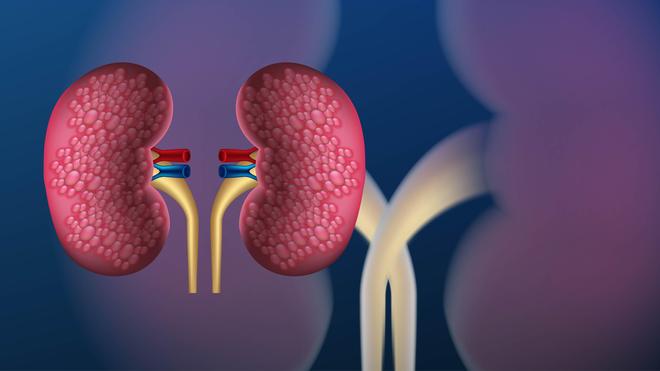
July 16: Nearly half of the estimated 844 million people worldwide living with chronic kidney disease (CKD) remain undiagnosed, according to a new series of research papers published in The Lancet. Researchers have warned that delayed diagnosis is increasing the risk of kidney failure and premature deaths across the world.
The study found that 30% to 50% of CKD cases remain undiagnosed even in high-income countries, with the percentage expected to be significantly higher in low- and middle-income nations due to limited access to healthcare and screening.
Researchers have recommended the routine use of simple urine tests to detect the disease at an early stage, allowing timely treatment and reducing the risk of severe complications.
Chronic kidney disease is a progressive condition in which the kidneys gradually lose their ability to filter waste and excess fluids from the blood. If left untreated, it can lead to kidney failure, requiring dialysis or a kidney transplant.
The study also identified diabetes, high blood pressure (hypertension), obesity, cardiovascular disease, and increasing age as the major risk factors associated with CKD.
According to the researchers, chronic kidney disease is currently the ninth leading cause of death globally and is projected to become the fifth leading cause by 2040 if early detection and treatment are not significantly improved.
The authors of the study have urged governments and healthcare systems worldwide to strengthen screening programmes and promote routine kidney health checks, particularly for people at high risk.