
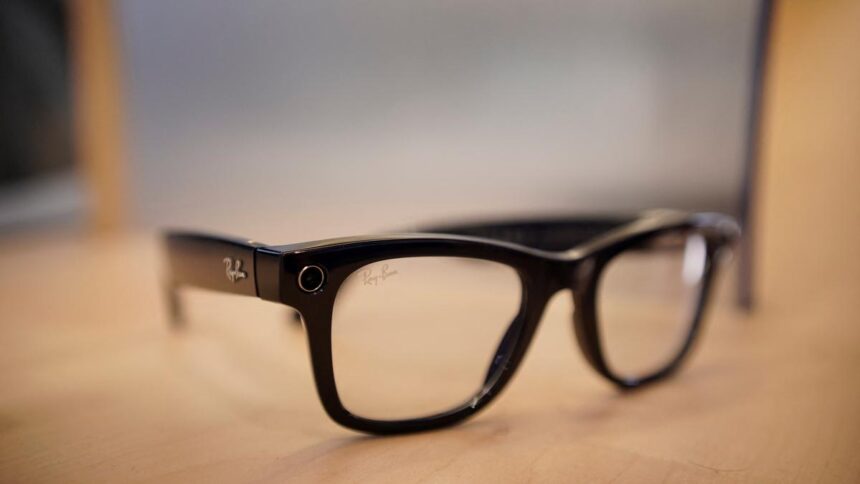
The use of AI-powered smart glasses during recent public demonstrations has sparked discussions on privacy, surveillance, and the responsible use of emerging technologies in public spaces.
During protests held in Delhi in July, reports alleged that a police official on duty was seen wearing AI-enabled smart glasses capable of capturing photographs and recording videos. The incident has raised concerns about the use of wearable point-of-view (PoV) devices alongside existing surveillance systems, particularly during public gatherings.
Unlike conventional cameras, smart glasses are designed to be compact and discreet, making it difficult for individuals nearby to recognise when they are being recorded. Many of these devices also feature voice-activated virtual assistants, allowing users to capture photos or videos through simple voice commands without drawing attention.
The growing adoption of AI-enabled wearable devices has prompted debates on balancing technological innovation with the protection of individual privacy and civil liberties. Experts have highlighted the need for clear policies and guidelines governing the use of such technologies, especially in public spaces where citizens exercise their rights to assemble and express their views.
The discussion underscores the importance of ensuring that advancements in artificial intelligence and surveillance technologies are implemented in a manner that respects privacy, transparency, and legal safeguards.