
Despite receiving some of the highest rainfall levels in the world, parts of Meghalaya are facing a growing water crisis. The challenge is not the absence of rain, but the inability to effectively collect, store, and manage the abundant water that arrives during the monsoon season.
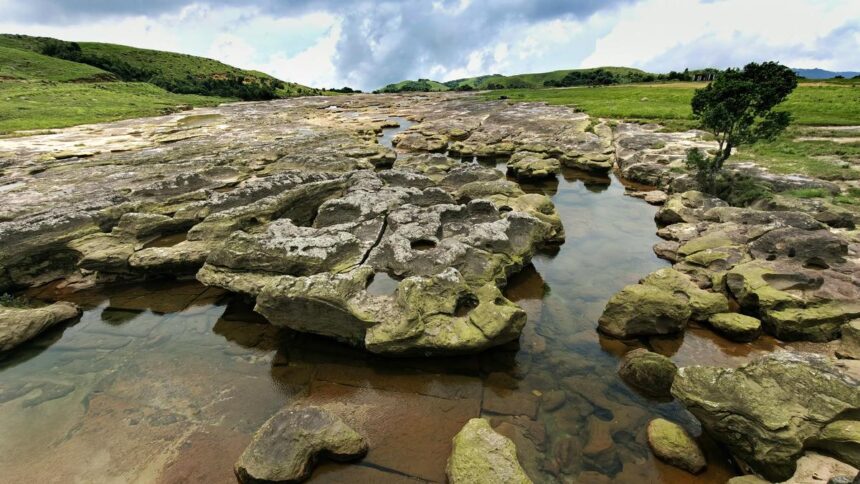
In Sohra (Cherrapunji), one of the world’s wettest places, streams that remain full during the rainy months begin to dry up by November. Rivers that once flowed throughout the year gradually shrink, while traditional springs that supported local communities become seasonal.
During the winter months, from November to March, many residents are forced to purchase water for daily needs. Water transported from the plains can cost between ₹20 and ₹50 per bucket, depending on the season. Some households spend nearly ₹1,000 for 500 litres of water.
The situation highlights a growing environmental challenge in Meghalaya: heavy rainfall does not automatically translate into reliable water availability. Limited rainwater harvesting systems, inadequate storage infrastructure, and changing weather patterns have contributed to the seasonal shortage.
For communities in Sohra, water has shifted from being a naturally available resource to a commodity that must be purchased. The region’s experience underlines the need for improved water conservation measures, sustainable management practices, and better infrastructure to ensure that rainfall-rich areas can meet their own water requirements throughout the year.