Delhi Dispatch As India Erases Its Colonial Past, Delhi’s Elite Feel Targeted

Wilson Thomas
5 Min Read

India’s government wants to shut down Delhi’s Gymkhana Club, which the prime minister calls a vestige of colonialism. Some members suspect a different motive.

The air chillers struggled against the thick air of an Indian summer night as members of Delhi’s fabled Gymkhana Club sipped lime sodas and ate paneer on the lawn, wondering if it might be one of the last times they could gather there.

A few hundred yards away, just over a heavily fortified wall, lives the reason for their melancholy: Prime Minister Narendra Modi, whose government served the club last week with an order to explain why it shouldn’t be evicted.

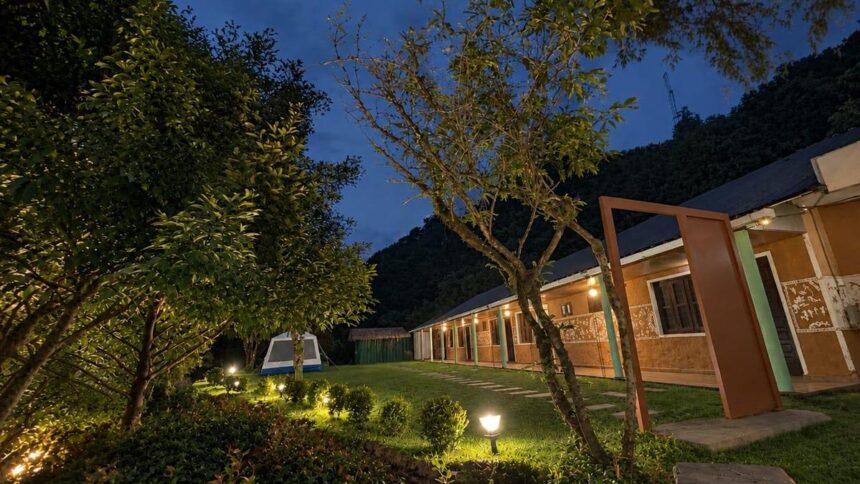
Founded more than 100 years ago as a whites-only social club for British colonial administrators and their wives, the Gymkhana is now a refuge for Delhi’s homegrown elite. But with its imperial past, the Gymkhana is facing extinction under Mr. Modi’s campaign to purge India of what he calls a residual “slave mentality.”

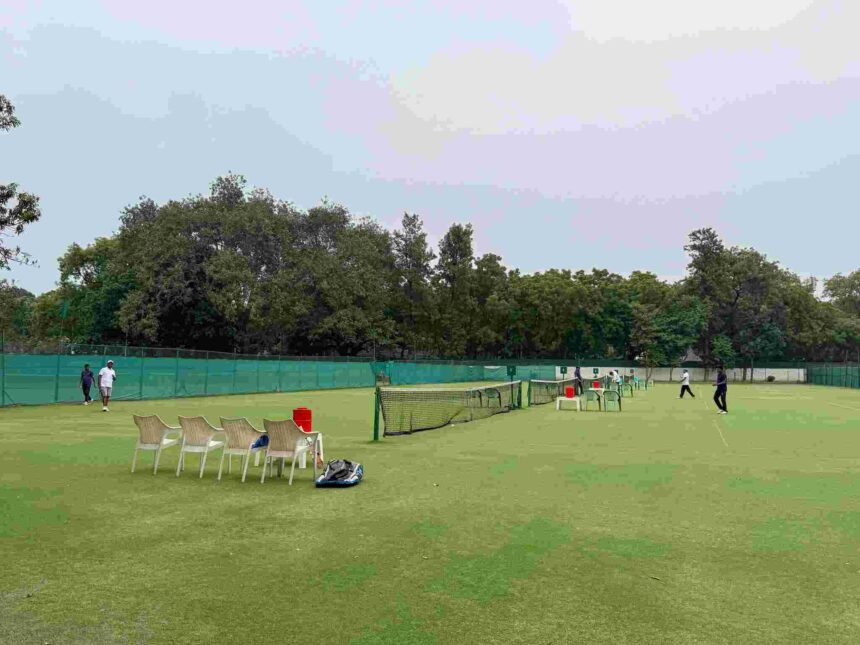
The central government owns the land in the heart of the Indian capital where the Gymkhana sits — 27 lush acres with two swimming pools, a library and tennis facilities that have been a stop on the pro circuit, with 26 grass and seven clay courts. Government lawyers said in their legal filing that the club’s lease would be terminated because the land is “critically required for strengthening and securing defense infrastructure,” among other reasons serving the public interest.

But members of the club — mostly current or retired civil servants, foreign service officers, military brass and others who make up the capital’s professional class — say Mr. Modi’s government is manufacturing a land dispute to send them a message: The days when Delhi’s old elite ran India are over.

“The word ‘elite’ is being bandied about,” said Abhishek Tankha, 42, a businessman who frequents the club for its squash courts and social scene. When he hears Mr. Modi and his followers use it to describe people like him, Mr. Tankha said he understands the cultural subtext: “It’s a specific type of westernized Indian who never bought Modi’s rhetoric, who Modi thinks never accepted him.”

A former member of the prime minister’s Bharatiya Janata Party, Mr. Tankha said he believes the membership of the Gymkhana is being shamed and scorned. But, he asked, “Why shouldn’t we be proud of our own clubs?”

The stereotypical Gymkhana member, who sometimes had to wait

“The word ‘elite’ is being bandied about,” said Abhishek Tankha, 42, a businessman who frequents the club for its squash courts and social scene. When he hears Mr. Modi and his followers use it to describe people like him, Mr. Tankha said he understands the cultural subtext: “It’s a specific type of westernized Indian who never bought Modi’s rhetoric, who Modi thinks never accepted him.”

A former member of the prime minister’s Bharatiya Janata Party, Mr. Tankha said he believes the membership of the Gymkhana is being shamed and scorned. But, he asked, “Why shouldn’t we be proud of our own clubs?”

The stereotypical Gymkhana member, who sometimes had to wait

The escalating battles over institutions like the Gymkhana are raising complex questions about identity and heritage in this vast country of 1.4 billion people, where a hybrid culture has evolved since Indians won independence in 1947. Indians have adapted many British imports to suit their tastes, from their love of cricket to their tea culture.

Yet the racial subjugation that was so fundamental to British rule left scars that may not ever heal. Mr. Modi, who is now serving his third term as prime minister, has displayed a powerful instinct for connecting past injustices to the present, speaking to the anxiety among the Indian masses for whom membership of a private club is unthinkable.

Across Delhi, examples of Mr. Modi’s colonial erasure are

everywhere — in gleaming new government buildings that have replaced turn-of-the-century sandstone palaces, and on street signs with Hindi and Sanskrit names where Englishmen’s used to be.

Within the last few weeks, the Modi government has stepped up its efforts to seize two other colonial era landmarks in Delhi, including the Jaipur Polo Ground, where King Charles III, then Prince of Wales, once played.

Share This Article
Leave a Comment

Leave a Reply

Your email address will not be published. Required fields are marked *

×